Take a Look at Dr. Schroeder’s Credentials and Experience
Curriculum Vitae
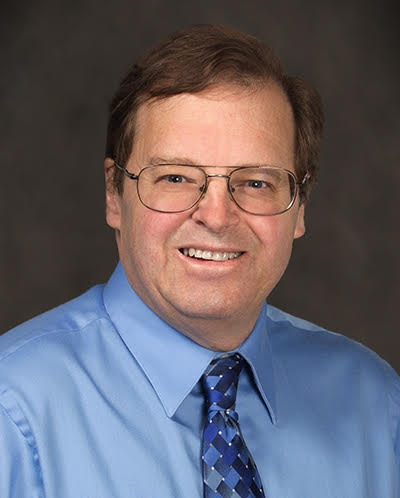
Dr. William R. Schroeder, DO, MCDB
Born September 15, 1956
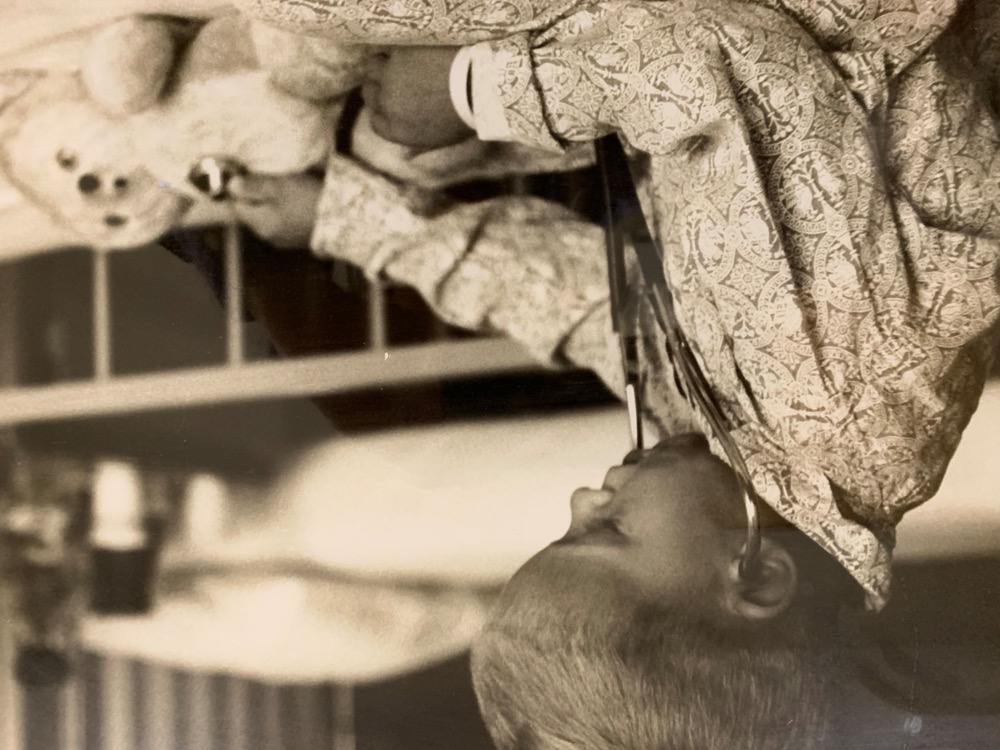
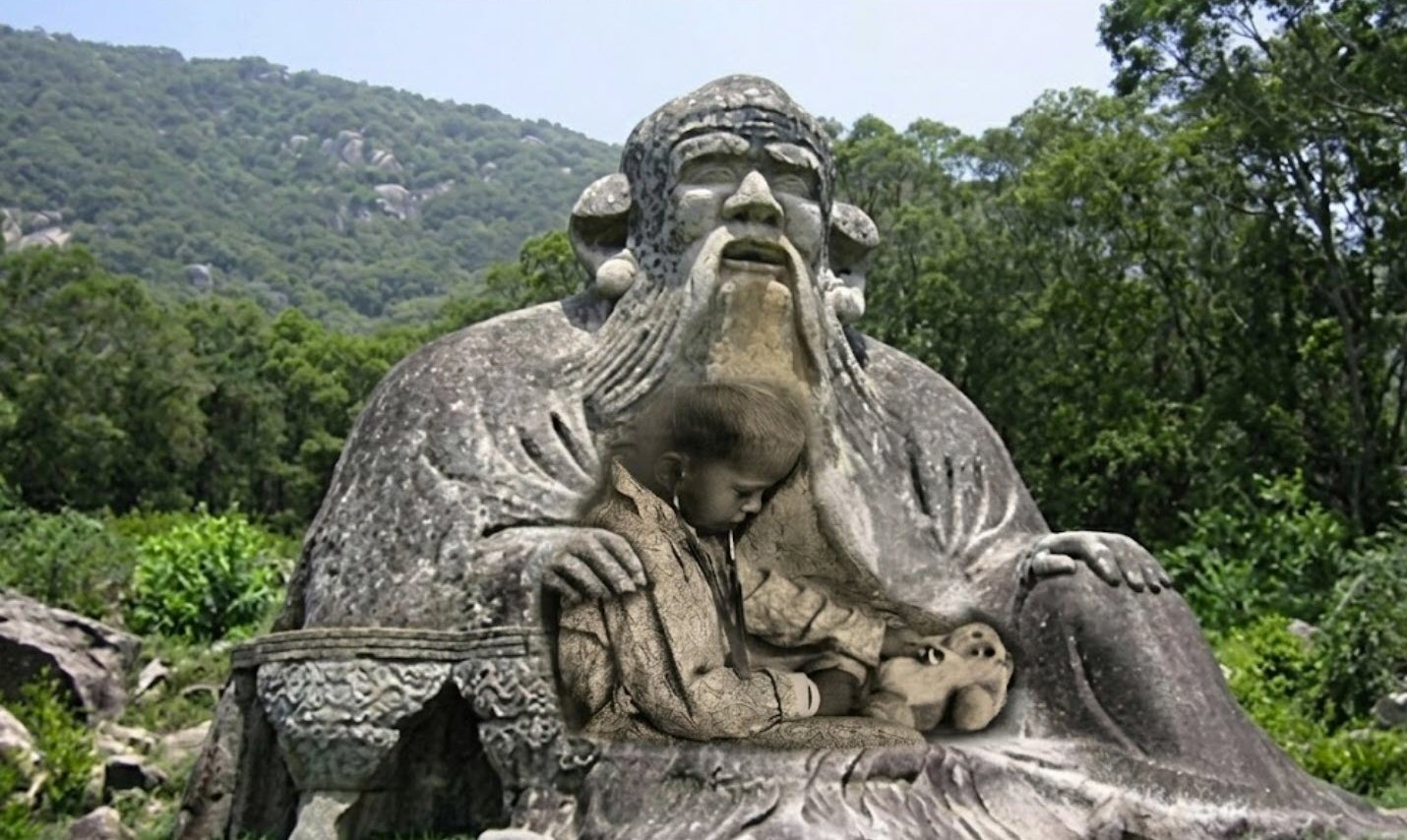
A Lifetime Dedicated to Science, Ancient Wisdom Traditions, and Integrative Medicine
Molecular Biology
January 1979: Bachelor of Arts, Molecular, Cellular and Developmental Biology (MCDB), University of Colorado at Boulder.
Video: Marklundem, via Wikimedia Commons, CC BY-SA 4.0 (zoomed to follow the protein)
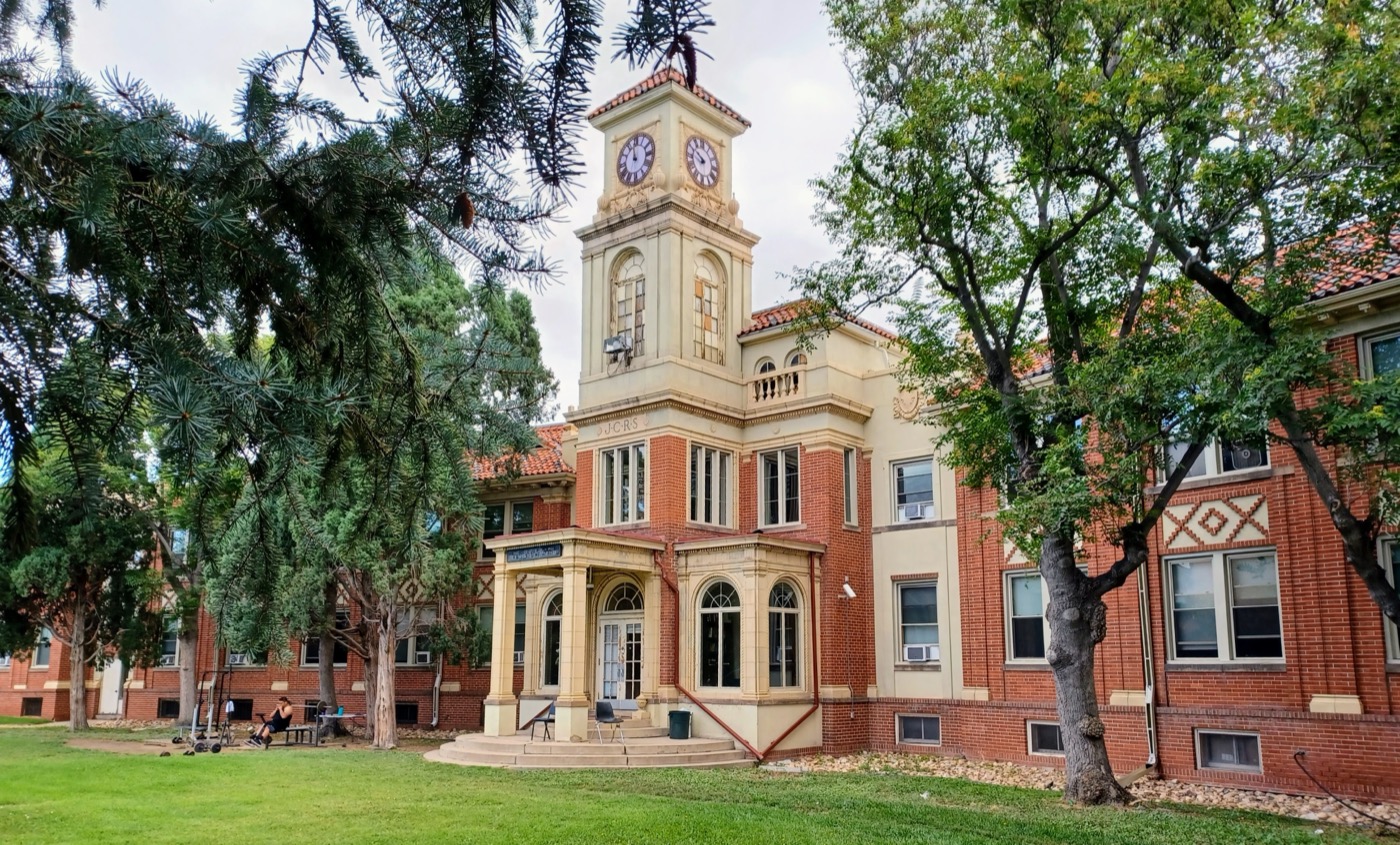
Cancer Research Fellowship
August 1979 to August 1980: Recipient: Helen Stone Robinson Memorial Cancer Research Fellowship, AMC Cancer Research Center and Hospital, Lakewood Colorado.
Worked under Dr. Ernest Borek, PhD. Development of multiple experimental cancer chemotherapy protocols under Dr. Solomon Garb, MD.
Photo: Xnatedawgx, via Wikimedia Commons, CC BY-SA 4.0 (resized)
Research Molecular Biologist
In his PRACTICE OF MEDICINE, his training as a MOLECULAR BIOLOGIST was marked by constant CREATIVITY and EXPLORATION to seek the finest solution.
August 1980 to June 1983: Research Molecular Biologist at Webb-Waring Oxidative Research Institute, University of Colorado School of Medicine, Denver, Colorado.
Worked with Richard M. Tate, MD under John E. Repine, MD. Basic research showing for the first time a chemical link between oxidation and inflammation.
His principal area of interest was molecular switching and NRF2, the MASTER REGULATOR OF THE CELLULAR SURVIVAL GENES, described as the greatest advance in the history of medicine.
June 1983 to August 1984: Research Molecular Biologist Department of Microbiology, University of Colorado Health Sciences Center, Denver, Colorado. Basic science research in HISTONE PHOSPHORYLATION BIOLOGY.
What is NRF2?
NRF2 is a protein that switches genes on inside the cell. A 2017 scientific review calls it “the Master Regulator of Anti-Oxidative Responses.”
“Stabilized following oxidative stress, Nrf2 induces the expression of antioxidants as well as cytoprotective genes, which provoke an anti-inflammatory expression profile, and is crucial for the initiation of healing.”
Source: Vomund S, et al. “Nrf2, the Master Regulator of Anti-Oxidative Responses.” Int J Mol Sci. 2017;18(12):2772. PubMed 29261130
Video: GlebNovikov888, via Wikimedia Commons, CC BY 4.0

Publications
“Oxygen metabolites stimulate thromboxane production and vasoconstriction in isolated saline-perfused rabbit lungs.” RM Tate, HG Morris, WR Schroeder and JE Repine. Journal of clinical investigation 1984 August; (74) 2: 608-613.
“Tamoxifen as adjuvant therapy in Dukes B-2 and c colorectal carcinoma.” WR Schroeder. Southwest oncology group. 1979.
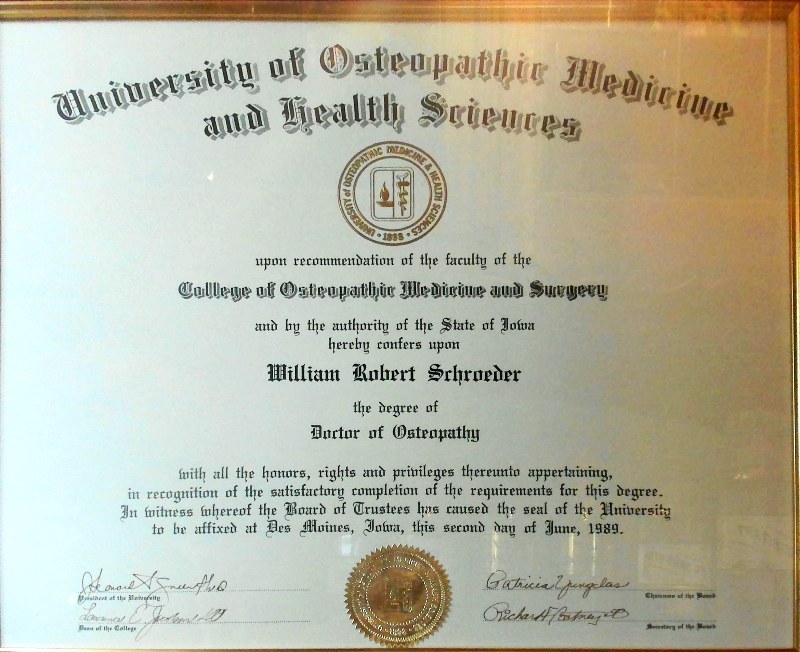
Doctor of Osteopathic Medicine
August 1989: Dr. of Osteopathic Medicine (DO), Des Moines University, Des Moines, IA.
August 1989 to August 1994: Clinical rotations leading to certification in Internal Medicine.
What is a DO?
“DOs are trained to look beyond your symptoms to understand how lifestyle and environmental factors impact your well-being. They practice medicine according to the latest science and technology, but also consider options to complement pharmaceuticals and surgery. As part of their education, DOs receive special training in the musculoskeletal system, your body’s interconnected system of nerves, muscles and bones.”
“Like all physicians in the U.S., Doctors of Osteopathic Medicine, or DOs, are licensed to practice medicine by licensing boards in each state.” “Upon graduating from medical school, DOs complete internships, residencies and fellowships.”
Source: American Osteopathic Association, What is a DO?
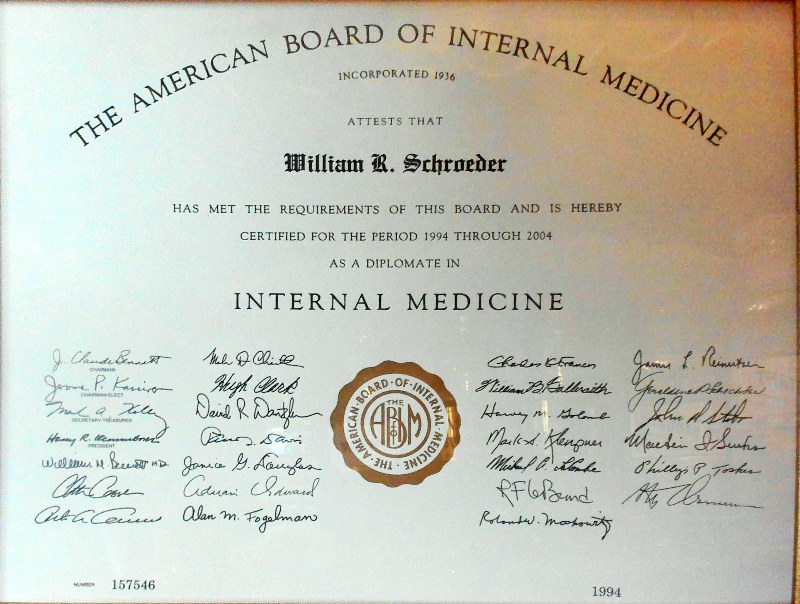
Board Certified Internal Medicine
American Board of Internal Medicine (ABIM): 2004 and 1994.
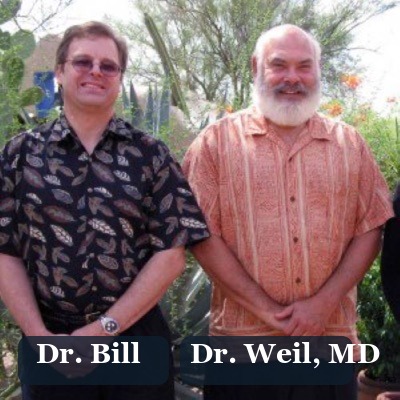
Fellowship in Integrative Medicine
August 2000 to August 2002: Fellowship in Integrative Medicine, Associate Program in Integrative Medicine, University of Arizona School of Medicine, Tucson, Arizona.
What is Integrative Medicine?
“Integrative Medicine (IM) is a healing-oriented approach that considers the entire person, encompassing all lifestyle aspects. It highlights the therapeutic partnership between practitioner and patient, is informed by evidence, and utilizes all suitable therapies.”
The eight defining principles:
- “Patient and practitioner are PARTNERS in the HEALING PROCESS.”
- “All factors that influence health, wellness, and disease are taken into consideration, including MIND, SPIRIT, and COMMUNITY, as well as the BODY.”
- “Appropriate use of both conventional and complementary methods facilitates the body’s innate healing response.”
- “Effective INTERVENTIONS that are NATURAL and less invasive should be used whenever possible.”
- “Integrative medicine neither rejects conventional medicine nor accepts complementary therapies uncritically.”
- “Good medicine is based in good science. It is inquiry-driven and OPEN to NEW PARADIGMS.”
- “Alongside the concept of treatment, the BROADER CONCEPTS of health promotion and the prevention of illness are paramount.”
- “Practitioners of integrative medicine should exemplify its principles and commit themselves to SELF-EXPLORATION and SELF-DEVELOPMENT.”
Source: Andrew Weil Center for Integrative Medicine, What is Integrative Medicine? (capitals and gold added for emphasis)
Work History
August 1994 to August 1998: Medical Director Network Health Centers Memorial Hospital System Colorado Springs, Colorado. Internal Medicine physician and Medical Director for urgent care centers for Metropolitan Hospital.
August 1998 to August 2000: Internal Medicine Physician, Cripple Creek Rehab Center and Medical Clinic, Cripple Creek, Colorado. Internal Medicine Physician Rural Clinic and mixed function rehabilitation center and nursing home.
August 2002 to February 2016: Medical Director Woodland Integrative Medicine. Solo Practitioner integrative medical clinic.
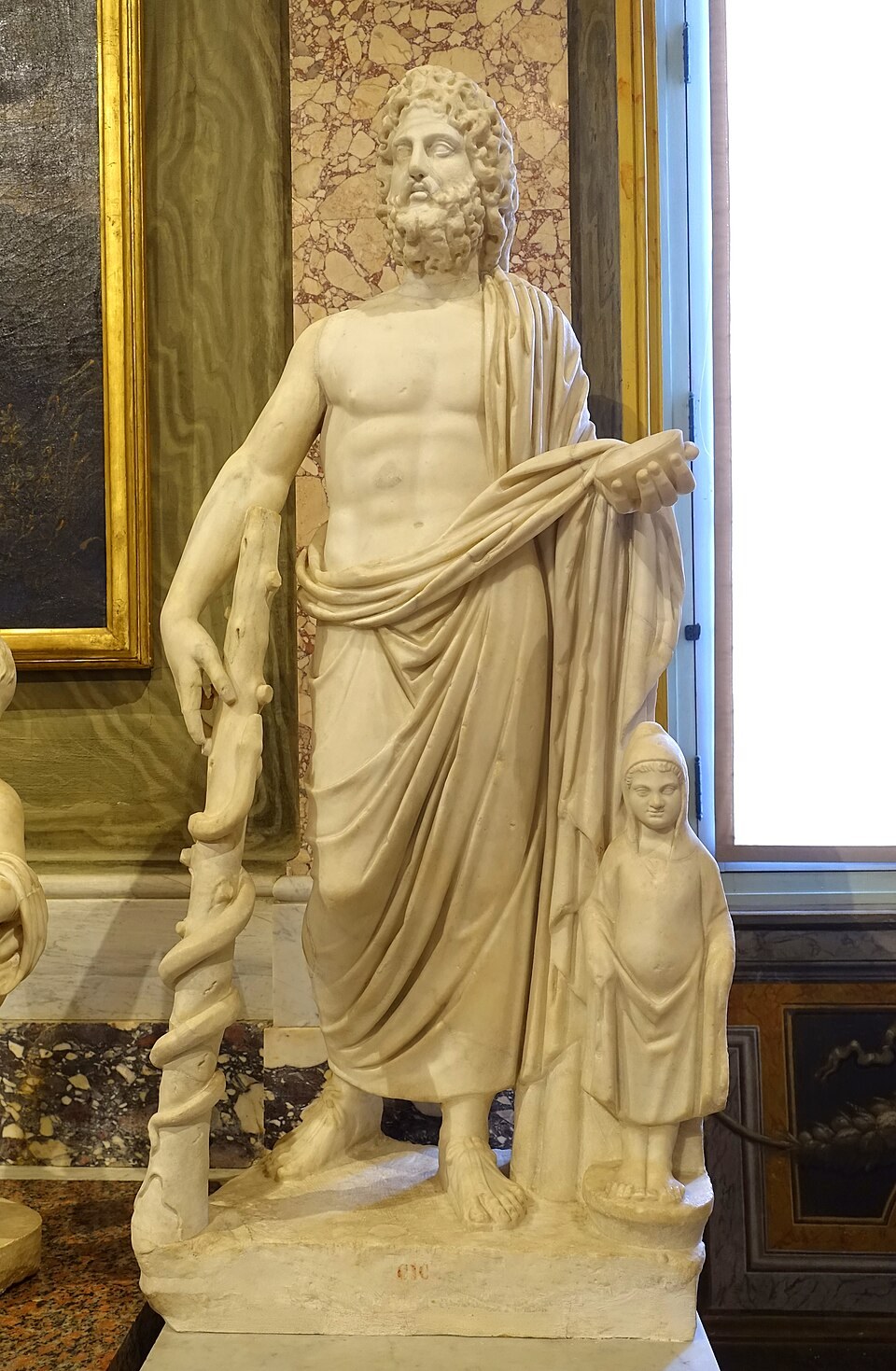
Integrative General Internist
Until 2024: an INTEGRATIVE GENERAL INTERNIST, incorporating everything he had learned into a standard Western medical practice, including MEDICAL QIGONG.

PSYCH‑K® Facilitator
2026: Dr. Schroeder became a PSYCH‑K® Facilitator.
What is PSYCH‑K®?
In PSYCH‑K®’s own words, it is “a simple, yet powerful process to change subconscious beliefs that are self-limiting and self-sabotaging,” and “a unique blend of various tools for change, some contemporary and some ancient, derived from contemporary neuroscience research, as well as ancient mind/body wisdom.”
Source: psych-k.com, What is PSYCH-K?
Medical Qigong
An experienced MEDICAL QIGONG practitioner, under the mentorship of Dr. Rosalyn L. Bruyere, a renowned teacher of the esoteric arts and qigong.
Visit Rosalyn L. Bruyere’s websiteWhat is Qigong?
“Qigong, pronounced ‘chi gong,’ was developed in China thousands of years ago as part of traditional Chinese medicine. It involves using exercises to optimize energy within the body, mind, and spirit, with the goal of improving and maintaining health and well-being.”
“Qigong has both psychological and physical components and involves the regulation of the mind, breath, and body’s movement and posture.”
Source: National Center for Complementary and Integrative Health (NIH), Qigong: What You Need To Know

Performance
Professional stand-up comic, 1984 to present. Opened for Roseanne Barr, Tim Allen, Sam Kinison, and Emo Philips.
Health as Wholeness, Wellness as Happiness
The Creation of Physician Wellness Services